|
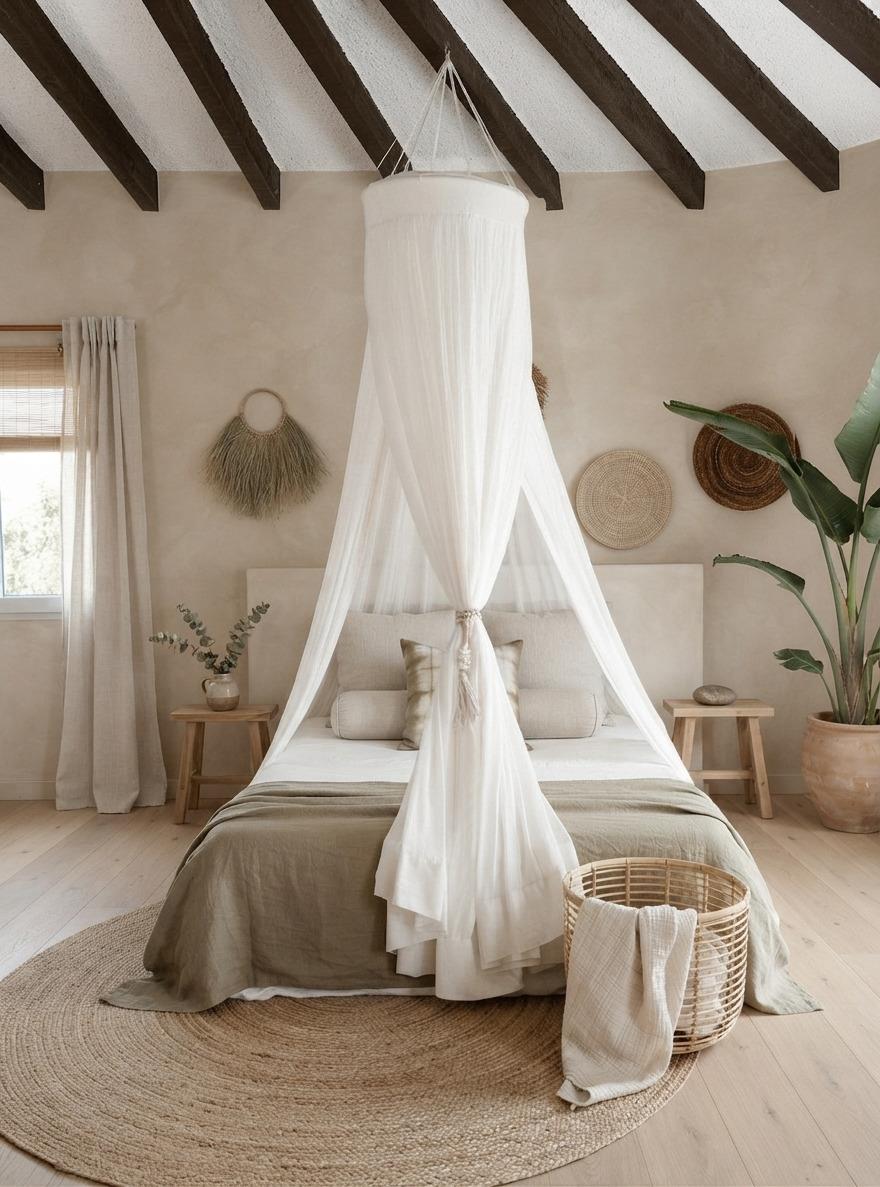
A bedroom can look beautifully finished and still feel strangely unsettled. Sometimes the difference lies not in a new colour scheme or a dramatic renovation, but in how a room frames the bed. Soft textures, filtered light and an intentional sense of enclosure can turn an ordinary sleeping space into somewhere you genuinely want to linger. For anyone exploring products from Nusarah, a handcrafted mosquito net offers an intriguing starting point: one piece that can influence both the atmosphere of the room and the experience of resting in it. Why the Space Around Your Bed MattersThe bed is usually the visual centre of a bedroom, yet attention often goes straight to bedding and headboards. The surrounding space matters just as much. A bare ceiling, harsh lighting or too many contrasting surfaces can make a room feel busier than intended, even when every object has been carefully chosen. A canopy-like mosquito net introduces a softer boundary. It draws the eye upward, gives the bed a defined place within the room and allows light to pass through its delicate fabric. Rather than filling the space with more furniture, it changes how existing furniture is perceived. Natural Textures Create a Different Kind of LuxuryLuxury is not always about shine or ornament. Often it comes from material you can appreciate up close: the weight of a woven edge, the drape of cotton and the quiet irregularities that reveal human craftsmanship. Natural cotton is particularly appealing in interiors that favour relaxed, lived-in elegance. Cotton mosquito nets bring softness and a tactile quality that pairs comfortably with linen bedding, wooden furniture and neutral walls. Polyester alternatives offer a different character: typically lighter, smoother and more resistant to creasing. The right material depends on how you want the net to hang, how you plan to care for it and whether it will be used indoors or in a sheltered outdoor setting. Design With Function in MindA mosquito net should do more than look graceful in photographs. Its shape must suit the bed, its openings need to be convenient and its mesh should provide appropriate insect protection when used correctly. Round designs generally gather at a single suspension point, creating a flowing silhouette. Rectangular styles use several attachment points and can give a larger bed a more architectural presence. Rooms with sloping ceilings require extra thought. Measuring the available height and considering where fittings can safely be installed will prevent awkward draping later. Air circulation deserves attention too. A finely woven mesh should balance protection with breathability, particularly in warmer weather. Bringing a Sense of Bali Into Everyday SpacesBali-inspired interiors are often associated with carved wood, soft textiles and an easy connection to nature. Yet the most convincing interpretation is not a room full of themed objects. It is a balance of texture, simplicity and thoughtful craftsmanship. Nusarah draws on this sensibility through small-scale production and handmade details, including mosquito nets crafted in its Bali atelier. Its approach also extends to reusable cotton storage bags and reduced reliance on plastic packaging. For a cohesive bedroom, let one textile become the focal point and keep the remaining palette restrained. A woven throw, tactile cushions or a warm bedside lamp can support the atmosphere without competing for attention. Leave enough open space around the bed for movement, and make sure any suspended fabric stays clear of candles, heaters and other heat sources. Caring for the Details Over TimeLightweight fabrics reward gentle handling. Airing a mosquito net regularly helps keep it fresh, while cleaning according to its care label protects the material and finish. Cotton may require particularly delicate washing. When the net is not in use, store it fully dry in a breathable bag, away from dampness and direct sunlight. Rotate textiles seasonally, check hanging fixtures occasionally and adjust lighting as daylight changes through the year. Small rituals like these preserve the calm, layered atmosphere that made the room inviting in the first place. |